Direct vs. One-Stop: Navigating Flights from London to New York
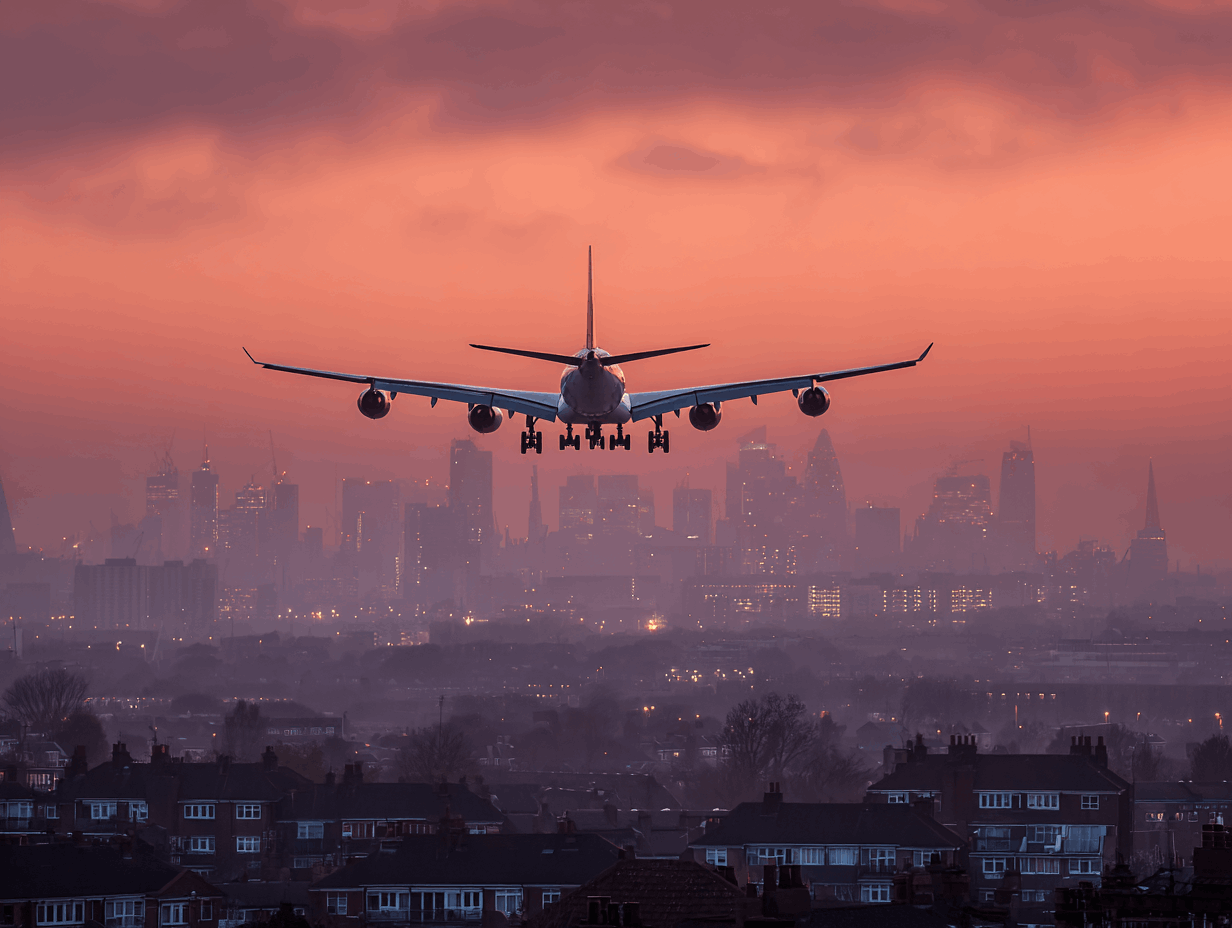
Flying across the Atlantic from London to New York can feel like a big deal, especially if you're juggling work schedules or just want to avoid extra stress. Everyone's got their preferences, but let's break it down: should you go for a straight shot direct flight, or opt for a one-stop route that might throw in a quick layover somewhere like Dublin or Reykjavik? We'll look at the upsides and downsides without getting into fancy calculations, just real talk on what makes sense for different travelers. After all, it's not always about the shortest time in the air, sometimes it's the whole journey that counts.
First off, direct flights. These are the no-nonsense option, zipping you from one of London's airports straight to New York in about seven to eight hours, depending on winds and all that. The big pro here is speed, you board once, settle in, and before you know it you're landing at JFK or Newark. No worrying about connections or running through terminals with your carry-on. It's especially great if you're traveling with kids or have tight plans on arrival, less chance your bags go missing too since there's no transfer. On the flip side though, these flights often cost more, sometimes a lot more, and they can feel crammed if it's a full plane. Plus, if there's any delay at takeoff, you're stuck waiting without a buffer. I've heard folks say they prefer this for business trips, where every hour matters.
Now, shifting to one-stop flights, which add a layover but can change the game in good ways. Total travel time stretches to maybe nine to twelve hours or so, but the stops aren't always a drag. Take a route via Dublin, for example. The layover there is usually short, like an hour or two, and here's a cool part: you can clear US immigration right in Dublin before boarding your next leg. That means when you touch down in New York, you skip those long customs lines and head straight out, saving serious hassle especially during peak times. It's like getting a head start on your vacation. Or consider Reykjavik, where connections are efficient and the airport is super calm, not chaotic like some bigger hubs. Some carriers even let you extend the stop into a mini break without extra fees, so if you're up for seeing Icelandic landscapes for a day, it turns a layover into an adventure. Pros here include lower prices often, and breaking up the flight helps if you hate long hauls, you can stretch your legs, grab a bite. But cons? Well, it's take longer overall, and if your first flight's delayed, you might miss the connection, leading to rebooking headaches. Weather in those northern spots can mess things up too.
So when does one option beat the other? If you're in a rush or it's your first transatlantic hop, stick with direct, it saves nerves and keeps things simple. But if budget's tight or you want to ease into the time zone shift, go for one-stop. Via Dublin makes sense for anyone dreading US arrival queues, it's a real time-saver on the ground even if air time's more. Reykjavik shines for longer trips where you can afford a relaxed pace, maybe combine it with exploring Europe on the way back. Avoid one-stops during winter if possible, storms can disrupt those routes more than directs. And think about day versus night: overnight directs let you sleep and arrive fresh in the morning, while one-stops might mean daytime flying with better views but more jet lag if connections drag.
In the end, it's about what fits your style. Direct for efficiency, one-stop for smarts and savings. Next time you're booking, weigh these bits, it could make your crossing way smoother.
