Day vs. Night Flights: Choosing the Right Time for Long-Haul Travel
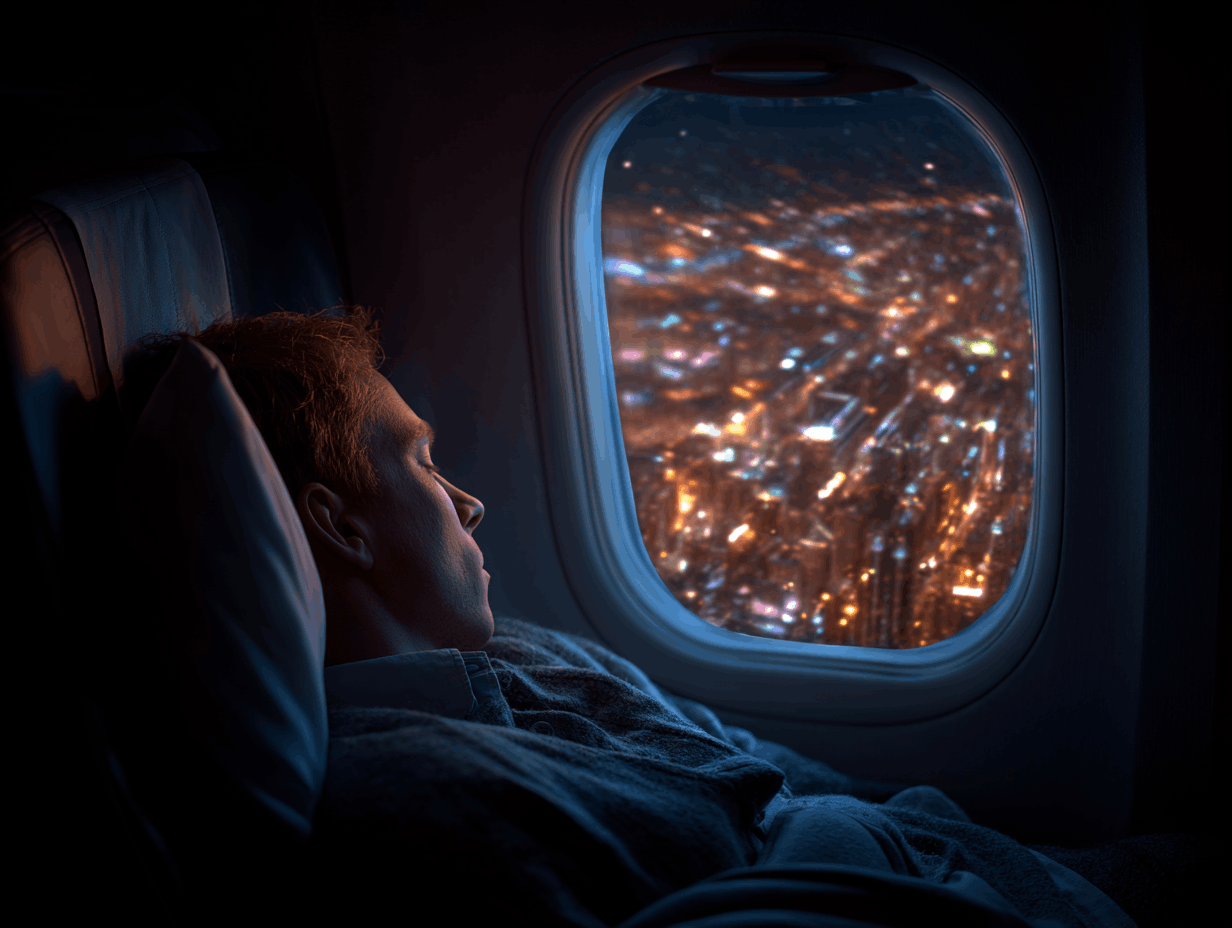
Long-haul flights are tough enough without adding the wrong timing to the mix. Whether you pick a daytime departure or an overnight red-eye can totally change how you feel when you land, how much you actually rest, and even how bad the jet lag hits. It's not one-size-fits-all, but there are patterns that work for most people, especially on those really long routes like across the Pacific. Let's break it down with real examples and what usually makes sense.
Daytime flights first. These are the ones that leave in the morning or early afternoon and land later the same day or evening local time. The big win here is productivity and staying awake. If you're traveling for work or just want to hit the ground running, a day flight lets you stay in your normal rhythm a bit longer. You can work on the laptop, watch movies without feeling guilty about sleeping, eat meals when your body expects them. On a route like Sydney to Los Angeles, a daytime option (there are a few carriers that do morning departures from Sydney) means you depart around 10-11am local, fly through the day, and arrive in LA late afternoon or early evening. You get to see daylight the whole way, maybe catch some ocean views, and when you land you're not completely wrecked. It's great if the time difference isn't massive or you're heading west (gaining hours), because you can go to bed at a reasonable time that night and adjust faster. Downside? These flights often feel longer because you're awake for most of it, and if turbulence hits during the day it's harder to ignore. Also seats fill up quick with business travelers who want the same thing.
Now overnight red-eyes, the classic long-haul move. Depart in the evening, fly through the night, arrive in the morning. Think Tokyo to New York, where you leave Narita around 6-7pm, cross the date line, and touch down at JFK early morning after 12+ hours. The idea is simple: sleep when it's night where you're going. Pop in earplugs, eye mask, maybe take a mild sleep aid if that's your thing, and try to knock out for 6-8 hours. If it works, you land semi-rested and can power through the first day. This is gold for eastbound travel (losing hours), because your body clock is already behind, so crashing on the plane helps sync up. On transpacific routes like Auckland to San Francisco or Melbourne to Dallas, the red-eyes are super common and popular for exactly this reason. You skip a full day of daylight travel, which can make jet lag less brutal if you manage to rest properly.
But here's the catch with red-eyes: not everyone sleeps well on planes. If you're someone who can't nod off sitting up, or the cabin is noisy, or the person next to you snores, you arrive exhausted instead of refreshed. Daytime flights avoid that gamble, you just accept you'll be tired later and plan a nap on arrival. Also, red-eyes often mean arriving early morning when hotels won't let you check in yet, so you end up wandering around with your bags until afternoon. That's rough if you're already wiped.
So how do you pick? Depends on direction and your habits mostly. Going west (like Europe to US, Australia to Asia), daytime flights usually help because you're extending your day and can crash early local time. Going east (Asia to US, Europe to Asia), red-eyes are often kinder since they let you "lose" the night and wake up closer to local morning. For transpacific stuff specifically, most folks swear by overnight westbound (from Asia to Americas) to fight the brutal eastward jet lag. If you're prone to bad sleep on planes, flip it and take the day flight, then just accept you'll be groggy the first day and recover with early bedtime.
A few quick tips no matter what. Hydrate like crazy either way, moving around helps both. On day flights pack noise-cancelling headphones and something to keep you occupied. On night flights, request a window seat for leaning, bring neck pillow, avoid too much caffeine late. And always check arrival time against your first commitment, nothing worse than landing at 5am with a meeting at 9.
Bottom line, there's no perfect answer but thinking about sleep, jet lag direction, and what you need to do on day one makes the choice clearer. Next long trip, ask yourself: do I want to arrive ready to work/play, or do I just want to survive the flight without hating life? That usually points you to day or night. Safe travels.
