Tokyo to Seoul: Efficient Paths for Business Travelers
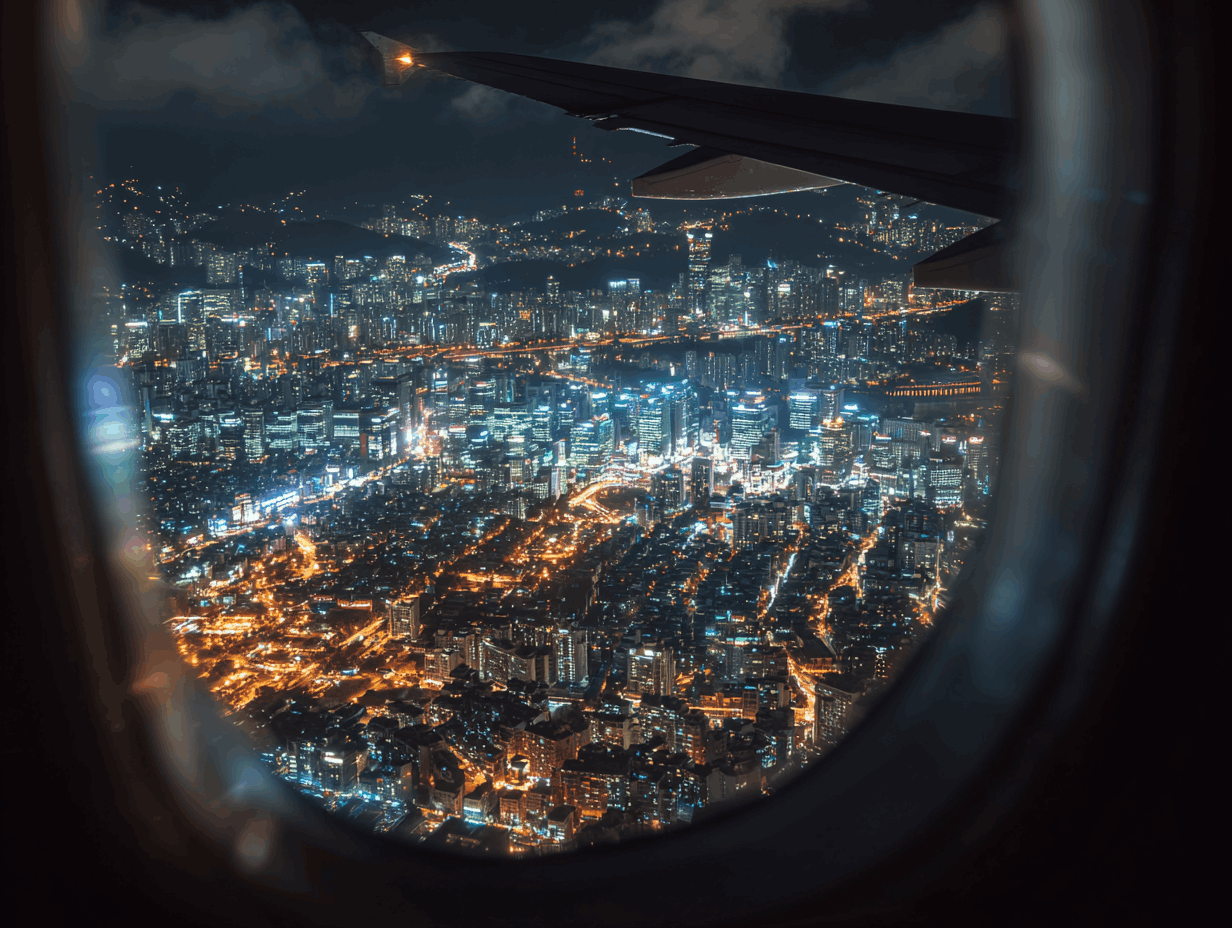
Tokyo to Seoul is one of the busiest short-haul business routes in Asia, and getting it right means minimizing wasted time, avoiding fatigue, and landing ready for meetings instead of recovering from travel stress. The distance is tiny, around 1200 km, so air time is usually just 2 hours 15 to 2 hours 45 minutes depending on winds. But the real game is in the scheduling, airport choices, and dodging the traps that eat hours or nerves.
Nonstop flights are the clear winner for most business travelers. There are dozens every day from Tokyo's main airports: Haneda (HND) has the best timings for central Tokyo folks, with frequent departures to Seoul's Incheon (ICN) and sometimes Gimpo (GMP) for closer city access. Narita (NRT) has more options too, especially on certain carriers, but it's farther out so add 60-90 minutes each way if you're based in central Tokyo. Nonstops land you in Seoul fresh, no layover drama, and you can usually schedule morning arrivals (leave Tokyo 7-9am, arrive Seoul 10am-noon local) perfect for afternoon meetings. Evening departures work well too if you're wrapping up Tokyo business and want to hit Seoul the next morning. Reliability is high on this route, delays are rare outside typhoon season, and baggage makes it through fine.
If nonstops are pricey or sold out on your dates, a one-stop via Osaka (Kansai, KIX) can be a flexible alternative. Osaka isn't the most obvious hub for Tokyo-Seoul, but some carriers offer good connections there, especially if you're already in western Japan or combining trips. The leg from Tokyo (Haneda or Narita) to Osaka is about 1 hour, then Osaka to Seoul another 1 hour 45 or so. Total travel time stretches to 5-7 hours door-to-door with layover, but it sometimes saves money or gives you better departure/arrival windows. KIX is modern and calm, short walks between gates, decent lounges if you have access. The catch is you add complexity, risk of delays on the first leg messing up the connection, and extra time overall. It's worth it mainly if nonstops are crazy expensive or if you need specific timings that don't align (like arriving Seoul super early morning when directs don't run).
Seasonal stuff matters more than you might think. Spring (March-May) and autumn (September-November) are peak business travel seasons, cherry blossoms or fall colors pull extra leisure traffic too, so book early or fares spike and seats vanish. Summer (June-August) brings humidity and occasional typhoons that can delay or cancel flights, especially afternoon/evening ones. Winter (December-February) is quieter, cheaper, but watch for snow at Narita or Incheon which can snarl things up. If you're traveling during Golden Week (late April-early May) or Obon (mid-August), nonstops fill fast and prices jump, so consider locking in alternatives or shifting dates a few days.
Common errors to avoid, especially as a business traveler. Poor connection times in peak hours is a big one. Avoid layovers under 1 hour 15 minutes if possible, even on efficient hubs like Osaka, because immigration, security, or a delayed inbound flight can eat that buffer quick. Another trap is picking super-early or super-late flights without checking transport. Haneda's first flights are great for morning arrivals, but if you're coming from far in Tokyo, you might need a 5am taxi or train. Same for late-night arrivals in Seoul, Incheon's AREX train to city stops around midnight, so plan for taxi or hotel shuttle. Don't ignore baggage rules on mixed tickets, some budget legs have strict carry-on limits that catch people out. And always double-check which Seoul airport you're landing at, Incheon for international, Gimpo for domestic/regional, they are very different for onward plans.
Bottom line for business: stick to nonstop from Haneda if you can, it's the fastest, simplest, most reliable path to arrive sharp and rested. Use Osaka only when it genuinely saves money or fixes a timing hole. Book ahead for peaks, pad your schedule for seasons, and watch those connection windows if you detour. Do it right and the trip feels like a quick hop, not a slog. You land in Seoul, clear customs fast at Incheon, hop the AREX or taxi, and you're in Gangnam or Yeouido ready to go. Safe travels and good meetings.
